Kohlrabi Rezepte
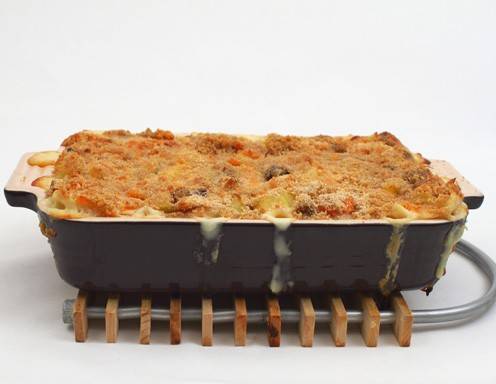
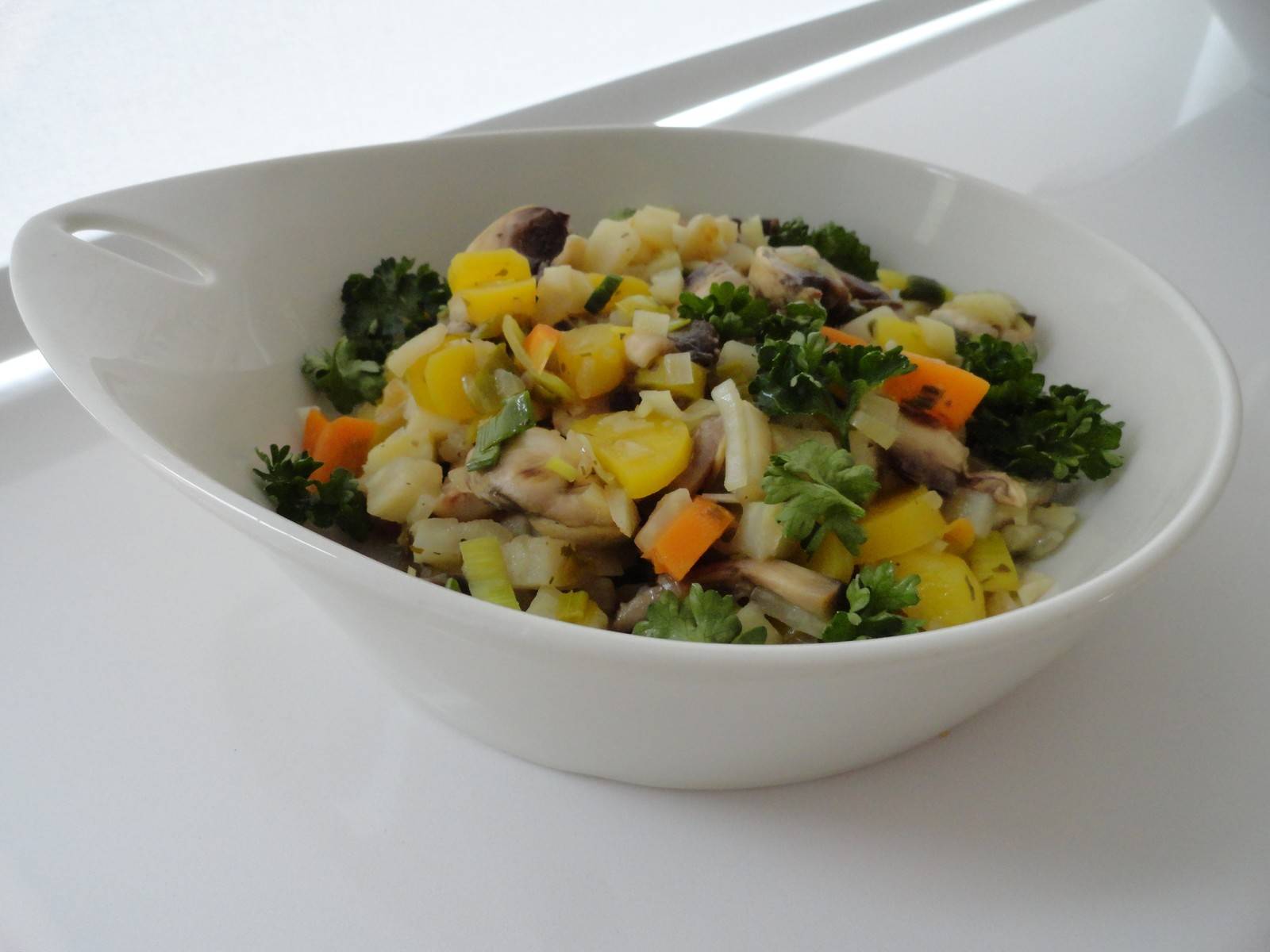
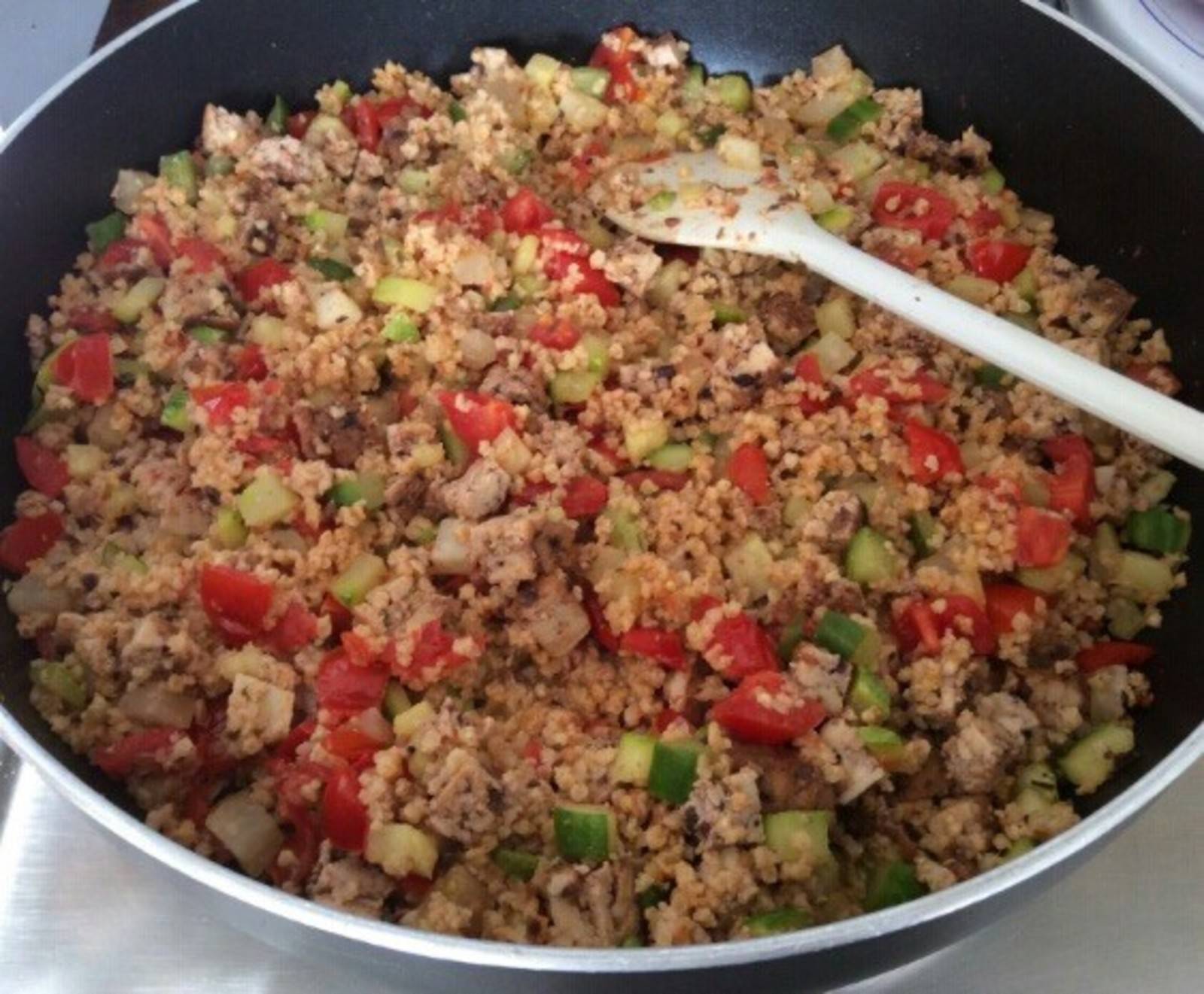
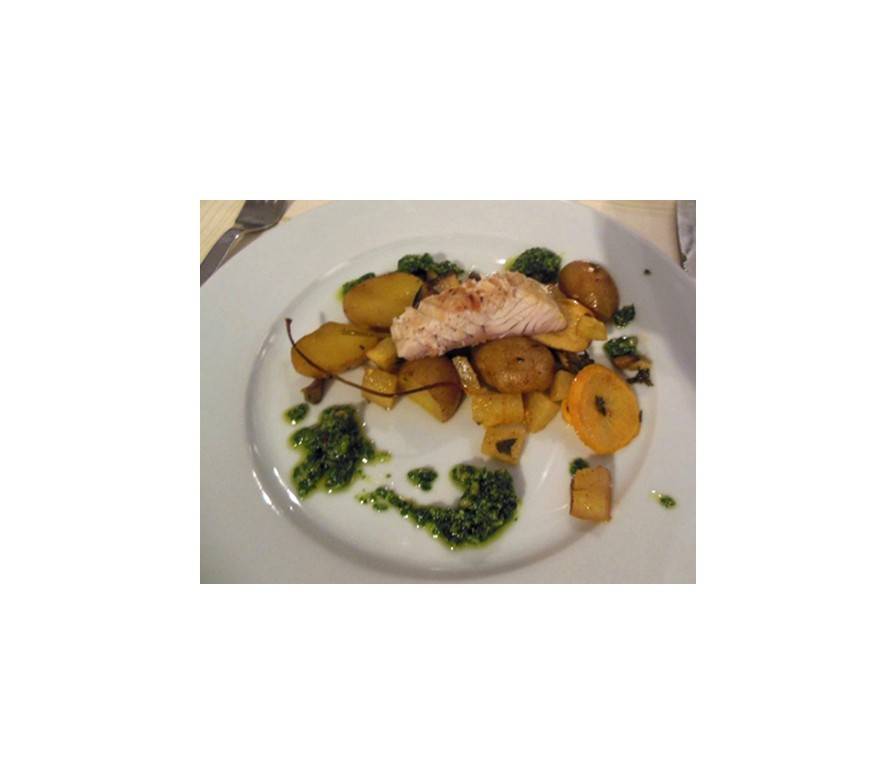
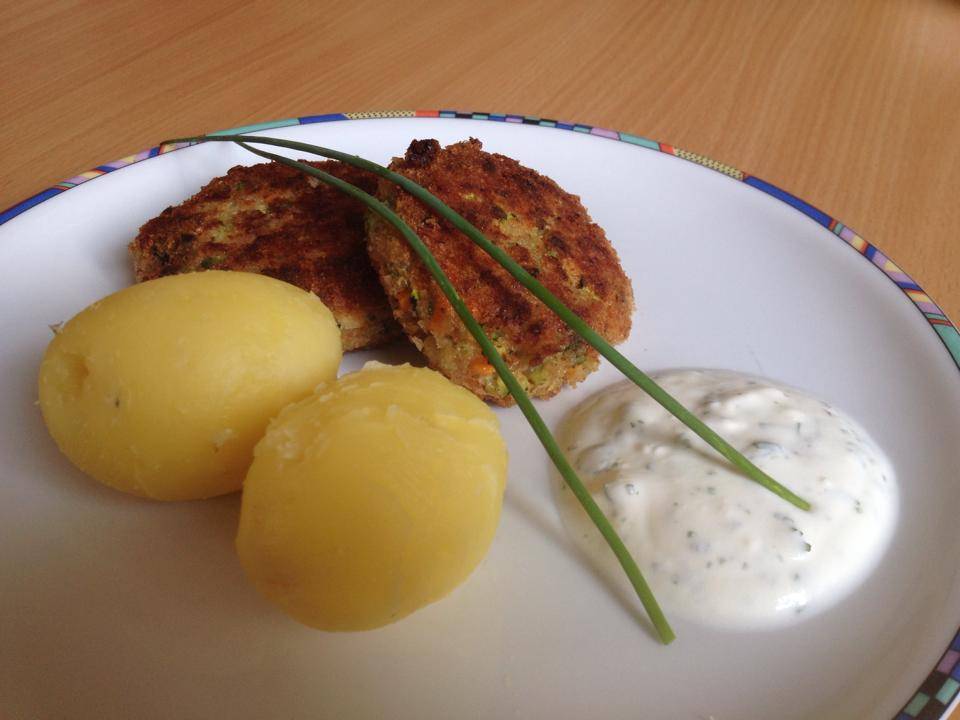
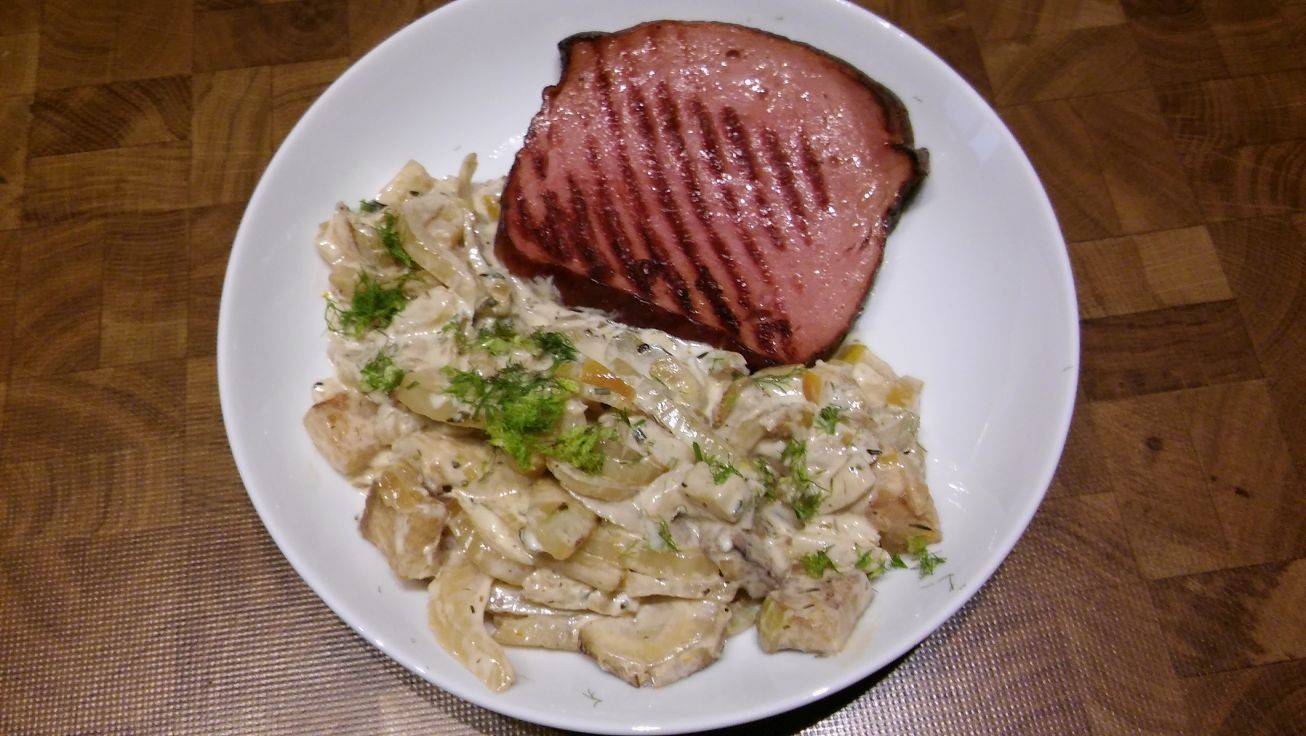
<div itemscope itemtype="https://schema.org/FAQPage"><p dir="ltr">Kohlrabi ist ein sehr kalorienarmes Gemüse, hat einen hohen Ballaststoffgehalt und sorgt deshalb für einen hohen Sättigungsgrad. Das Kraftpaket beinhaltet viele Vitamine und Mineralstoffe. Auch die für das typische Kohlaroma verantwortlichen Senföle haben viele positive Einflüsse auf die Gesundheit.</p> <p dir="ltr">Kohlrabi kann leicht gefüllt werden, da das Fruchtfleisch sehr gut die Form behält. Zum Überbacken oder als Zutat für <a href="https://www.ichkoche.at/auflauf-und-gratin-rezepte/">Aufläufe</a>, als <a href="https://www.ichkoche.at/beilagen-rezepte/">Beilage</a>, <a href="https://www.ichkoche.at/suppen-rezepte/">Suppe</a> oder für<a href="https://www.ichkoche.at/eintopf-rezepte/"> Eintöpfe</a> ist er wunderbar geeignet. Durch sein feines Aroma passt Kohlrabi auch sehr gut zu <a href="https://www.ichkoche.at/fisch-meeresfruechte/">Fischgerichten</a>. Die Blätter des Kohlrabi kann man z.B. kleingehackt in <a href="https://www.ichkoche.at/salat-rezepte/">Salaten </a>beimengen. Sie sind besonders reich an wertvollen Inhaltsstoffen.</p> <div itemtype="https://schema.org/Question" itemscope="itemscope" itemprop="mainEntity"> <h2 itemprop="name">Was passt zu Kohlrabigemüse?</h2> <div itemtype="https://schema.org/Answer" itemscope="itemscope" itemprop="acceptedAnswer"> <div itemprop="text">Kohlrabigemüse passt gut zu Kartoffeln, Karotten (auch: Möhren), Zwiebeln und anderen Gemüsesorten. Es schmeckt als Beilage zu Fleisch, kann aber auch als Hauptgericht serviert werden.</div> </div> </div> <div itemtype="https://schema.org/Question" itemscope="itemscope" itemprop="mainEntity"> <h2 itemprop="name">Warum ist Kohlrabi so gesund?</h2> <div itemtype="https://schema.org/Answer" itemscope="itemscope" itemprop="acceptedAnswer"> <div itemprop="text">Kohlrabi ist reich an Ballaststoffen, Vitamin C, Vitamin K, Kalium und anderen wichtigen Nährstoffen. Er fördert die Verdauung, stärkt das Immunsystem und unterstützt die Knochengesundheit.</div> </div> </div> <div itemtype="https://schema.org/Question" itemscope="itemscope" itemprop="mainEntity"> <h2 itemprop="name">Wann ist Kohlrabi-Saison?</h2> <div itemtype="https://schema.org/Answer" itemscope="itemscope" itemprop="acceptedAnswer"> <div itemprop="text">Die Hauptsaison für Kohlrabi erstreckt sich von Frühling bis Herbst. Er ist jedoch das ganze Jahr über im Handel erhältlich.</div> </div> </div> <div itemtype="https://schema.org/Question" itemscope="itemscope" itemprop="mainEntity"> <h2 itemprop="name">Wie lagert man Kohlrabi richtig?</h2> <div itemtype="https://schema.org/Answer" itemscope="itemscope" itemprop="acceptedAnswer"> <div itemprop="text">Kohlrabi sollte im Kühlschrank gelagert werden. Entfernen Sie vor der Lagerung die Blätter, wickeln Sie den Kohlrabi in ein feuchtes Tuch oder bewahren Sie ihn in einer perforierten Plastiktüte auf, um Feuchtigkeit zu erhalten.</div> </div> </div> <div itemtype="https://schema.org/Question" itemscope="itemscope" itemprop="mainEntity"> <h2 itemprop="name">Wie lange muss Kohlrabi kochen?</h2> <div itemtype="https://schema.org/Answer" itemscope="itemscope" itemprop="acceptedAnswer"> <div itemprop="text">Je nach Größe und gewünschter Konsistenz sollte Kohlrabi 8-12 Minuten in kochendem Wasser oder gedünstet werden, bis er weich, aber noch bissfest ist.</div> </div> </div></div>